Here is a walkthrough of how we worked together with FutureEverything to make that change, step by step:
1. Initial Conversations & Scoping
Lawyers for Nature were brought into early discussions with FutureEverything. We examined what it means in practice to give Nature representation on a board, we guided them on the processes, values and criteria for good decisions by them for Nature and for the future. Areas we covered included: what the legal implications are; what kinds of models are possible (for example, Nature represented by human guardians, rotating representation, what ‘voice’ and ‘vote’ mean in legal terms); what constitutional or internal policy documents need to be changed (e.g., articles of association or company policies etc.); and what values and benchmarks the organisation wants to hold itself to.
2. Engaging the Board & Presentations
After the initial scoping, we presented to FutureEverything’s existing board, setting out comparative case studies, frameworks, potential models, possible challenges (for example balancing decisions of financial sustainability and ecological responsibility), and exploring how Nature on the Board could link with their artistic and operational programme. These sessions helped test enthusiasm, clarify what kinds of changes would be involved, and ensure alignment with their mission.
3. Working Groups
FutureEverything convened a Working Group composed of Nature lawyers, researchers in multispecies justice, artists, technologists, funders, Indigenous knowledge holders, and other wonderful individuals who brought specialist knowledge. Lawyers for Nature were part of that Working Group. Over multiple workshops, we discussed topics like:
-
- How to define “Nature” for these purposes (what is in scope, how inclusive/exclusive)
- What human representative structure makes sense (rotating, fixed, advisory, voting)
- Legal, ethical and colonial risks or pitfalls (how to avoid anthropocentrism, tokenism, etc.)
- What operational, financial, and governance changes would be needed to institutionalise the role
4. In-Person Creative Day & Implementation Options
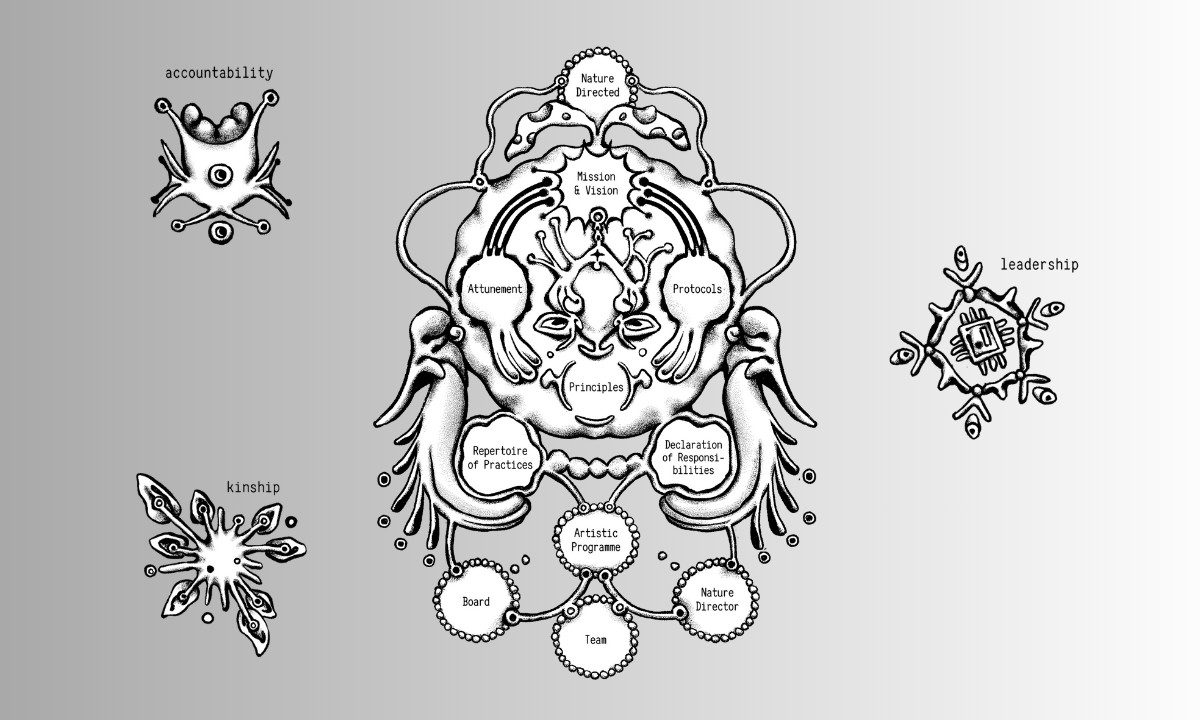
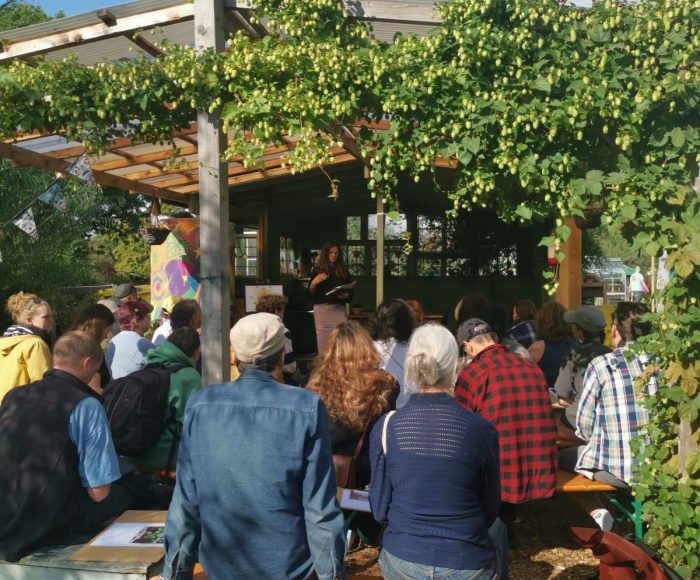
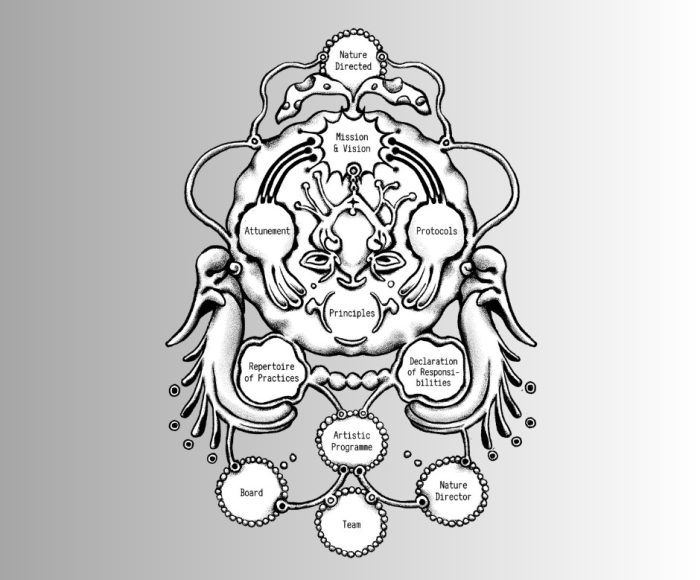
In Manchester, we joined FutureEverything at their offices for a creative, face-to-face workshop day. Together we laid out various implementation options: different governance models, how to embed Nature in decision-making, what reporting and accountability mechanisms would look like, what changes to governing documents would be required, how to institute protocols for listening to Nature, and more. Through collaborative design, we co-created a position profile and job description for the Nature Director role: what responsibilities, what commitments, how Nature would be represented (via a human representative or guardian), what voting and strategic influence it would have, and what benchmarks and timelines for review.
5. Organisational Change
Based on those co-design sessions, we helped with the organisational shift by talking through the changes to FutureEverything’s constitution; defining what Nature’s voice and vote would cover; ensuring that the role is embedded across operations and programming, not just symbolic; such as thinking about defining benchmarks (3-5 year goals) for how the organisation would shift its programme, decision-making and attention to reduce ecological harm and move toward restoration.
6. Implementation
We introduced our law firm partner Bates Wells to FutureEverything to support them on identifying the proposed changes necessary to their Articles of Association, to present these to the membership of the CIC for approval and to register the changes with Companies House.